
IT'S ALL ABOUT NUTRITION
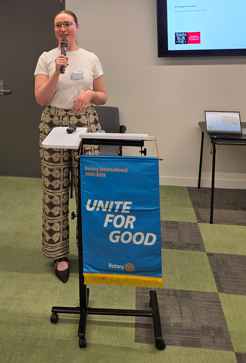
What we eat and what our diet is, is the essence of our daily life. Dr Margaret Murray leads the Bachelor of Nutrition faculty at Swinburne University. She is actively involved in research. Monday night's presentation asked the question: "What happens if I eat too much protein?"
Margaret raised the way social media extols the virtues of protein on sites such as Tik Tok and Instagram. Food companies spruik the amount of protein in their food products.
There are three elements of the macronutrients:
1. carbohydrate
2. lipids
3. protein.
The chains of amino acids which form protein are carbon, hydrogen, oxygen, nitrogen. These building materials build muscle. The enzymes and hormones are involved in keeping reactions in the body moving. Protein can be sourced from:
1. animal food
2. plant food.
The age group of men and women aged 71+ are not eating enough protein. Animal sources of protein foods can be high in saturated fats. This can lead to high cholestoral and Type Two diabetes.
Protein drinks can be a good alternative as a source of protein. It is extremely important to maintain muscle mass. We need to eat a balanced diet. Protein requirements for males and females within the age groupings vary according to body size. Animal sources or protein in foods can be high in saturated fats.
As we age, we tend to lose muscle mass. This is due to insufficient protein. Younger people are having more protein in their diet, which is unnecessary.
Dr Murray added information about Vitamin C and how it manages cold symptoms. It does not prevent you from having a cold, but it mitigates the cold itself. Garlic and echinacea are really only a complementary approach. Honey soothes the throat and fruit is good for you.
Finally, we are all interested in our health and how we maintain it. Margaret laid out what she had discovered in her research.