Looking out the window at the bleak, rainy, day and wishing for sunshine to return, I reflected on the notion that what I want is not necessarily what others want or need. Victorian farmers desperately need this rain to grow their crops and feed their livestock.
So, it is with life-we sometimes have to make adjustments for the greater good.
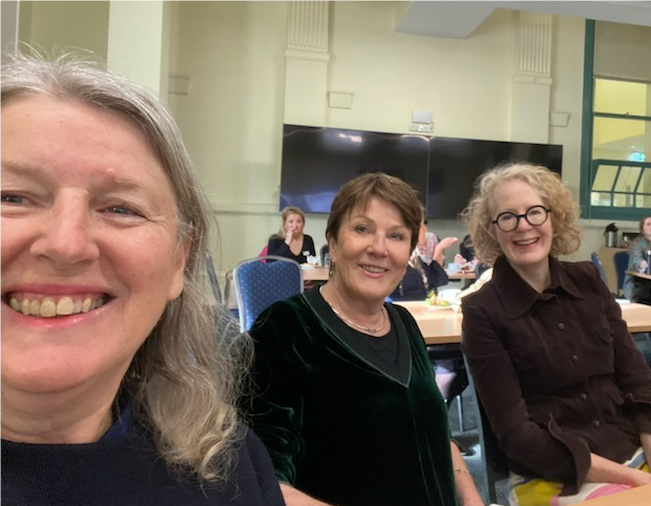
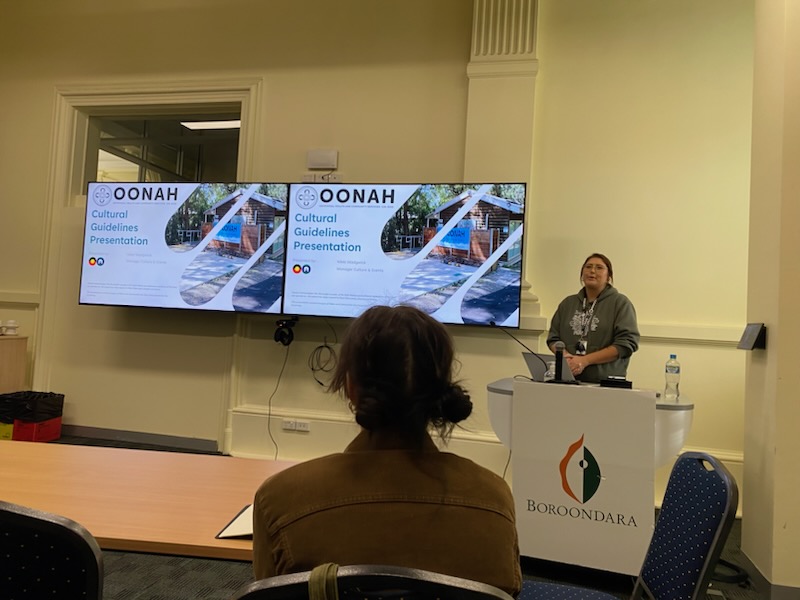
At the City of Boroondara workshop on Indigenous Cultural Guidelines, which Jill Woinarski and I attended this week, we were asked to consider the difference between Equality and Equity. Thinking on this, I remembered times when our children were in primary school and trying to decide where to send them for secondary school. Should they all go to the same school or find the school, regardless of type, which best meets the needs of each individual child? I know that for our children we realized that providing what each individual needed to thrive, rather than to give everyone the same, while not always appearing ‘fair’ was the better and equitable way. This approach involved many conversations with them when one child had something different to their siblings, eg glasses, tutoring, gymnastics competitions, going on overseas exchange, staying out late.
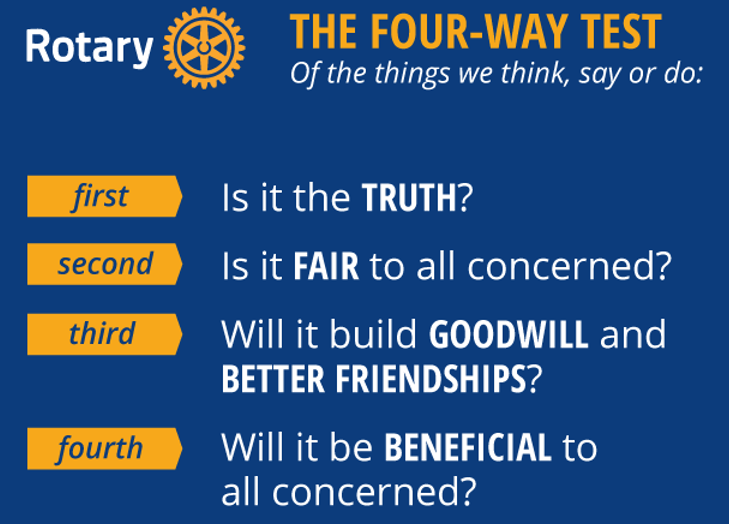
In Rotary, we should also strive for equity in our dealings with people.
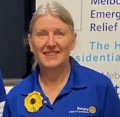
Elizabeth
Elizabeth with Jill Woinarksi and Balwyn RC's Julie Mulhouser at the Indigenous Culture Workshop
It was lovely to see Gilly and her partner, Peter, after a long absence from the Rotary Club of Canterbury. Illness forced her to resign her membership from the Rotary Club of Canterbury, so it is good to see her once again restored to improved health.
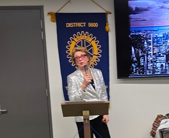
Both of her children have lived for extended periods in New York. She, of course, has been there on multiple occasions. The purpose of her presentation tonight was to present a section of her travel discussion about the favourite parts of New York which her daughter, Lucy has given her.
In this exposition, we were given several useful tips about climate and her favorite locations. New York is divided, in terms of her weather, into specific seasons and weather types - spring and fall ( beautiful), winter is bracing, summer is hot and humid, very different from Melbourne's weather. She told us about Central Park, the meat packing district of New York, the American Museum of Natural History and all the shows which are available on Broadway.
She very deftly used a detailed map of New York to highlight the best features. For example, the Tenement Museum in the Lower East Side, which tells the story of the various nationalities who came to call New York home. The sheer beauty and creativity of the Grammercy Tavern features the season in its menus and in its decorations. What a wonderful image Gilly conjured up in describing this particular location.
Within the Wall Street - Financial District- is found a very special monument, The Twin Tower Memorial. It was very touching the manner in which Gilly described her emotions as she entered this very special zone. I love the way she described walking through the different stages. It was so compelling for her that she spent half a day there.
Other aspects of Gilly's description of New York emerged during question time at the end of the presentation. The most interesting feature of New York was the way so many forgotten people are visible in the city, especially service people who are clearly homeless and in trouble emotionally. This article covers some of the information which Gilly dealt with in her full presentation. If any of our members are interested in obtaining the complete details of the locations within New York, she will be able to email it to them in a pdf format.
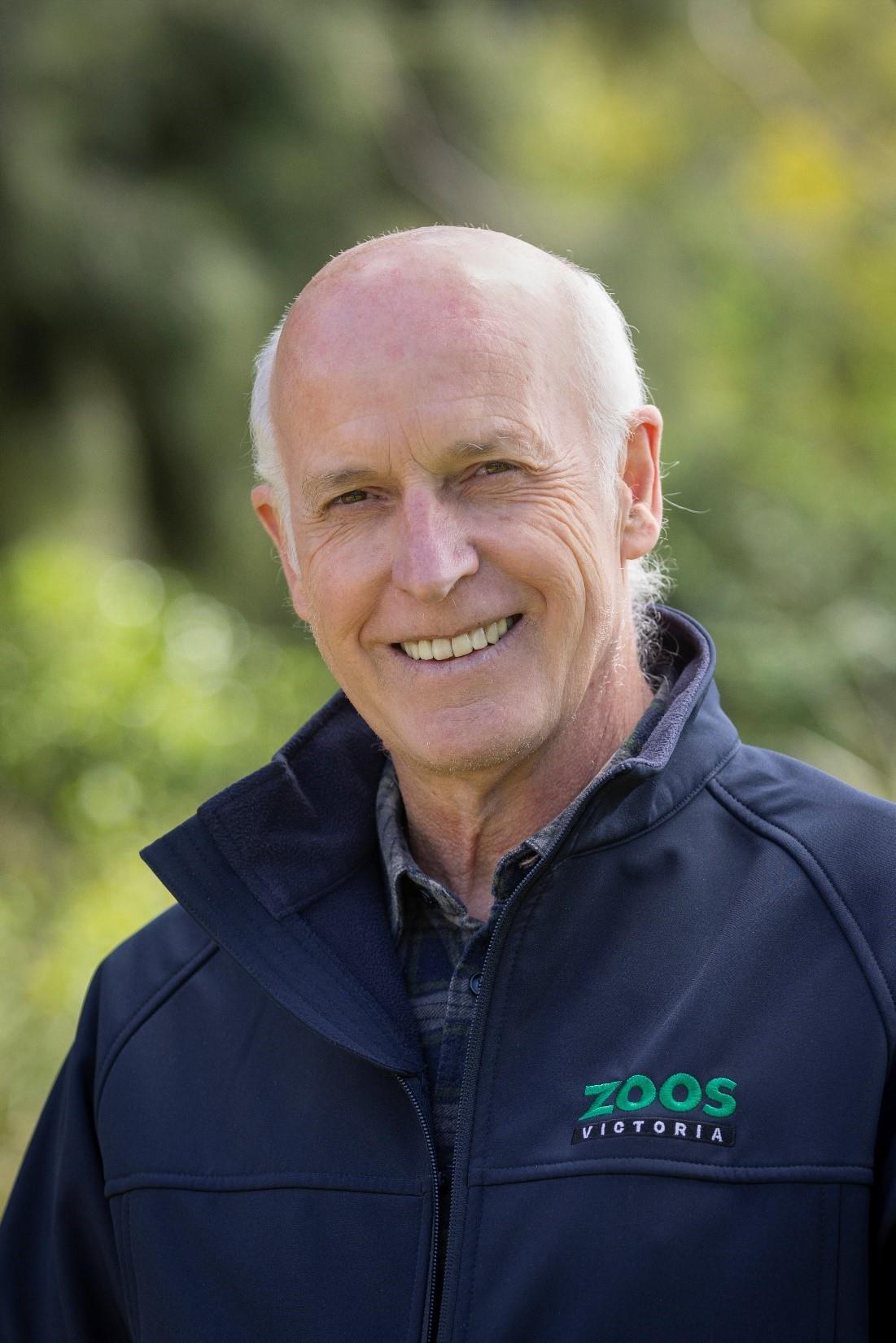
Chris Banks has worked in zoos since 1969, based mostly at Melbourne Zoo, but included three years in the UK at Bristol and London Zoos, and a short stint at Brookfield Zoo in Chcago.
From 1969 to the late 1980s, reptile and amphibian husbandry and management was a major focus, as keeper and curator. He initiated Zoos Victoria’s international conservation engagement in the early 1990s, leading to a range of project support in south-east Asia by 2000. Chris transferred to ZV’s Wildlife Conservation & Science Department in 2002 and now manages international conservation partnerships in Papua New Guinea, the Philippines, Uganda, Rwanda, French Polynesia and Indonesia; and two sister zoo partnerships in Papua New Guinea and Uganda.
Chris is author of one book and 60 published papers, and he is a member of conservation and environment organisations in Australia and globally.
The Canterbury Rotary Club lunch usually meets bi-weekly at 12.30 for a meal and some fun.
David Zrna looks after the reservations for the lunch group. Please contact David at david.zrna@canterburyrotary.org or on 0467033092 to advise that you will be coming to a lunch.
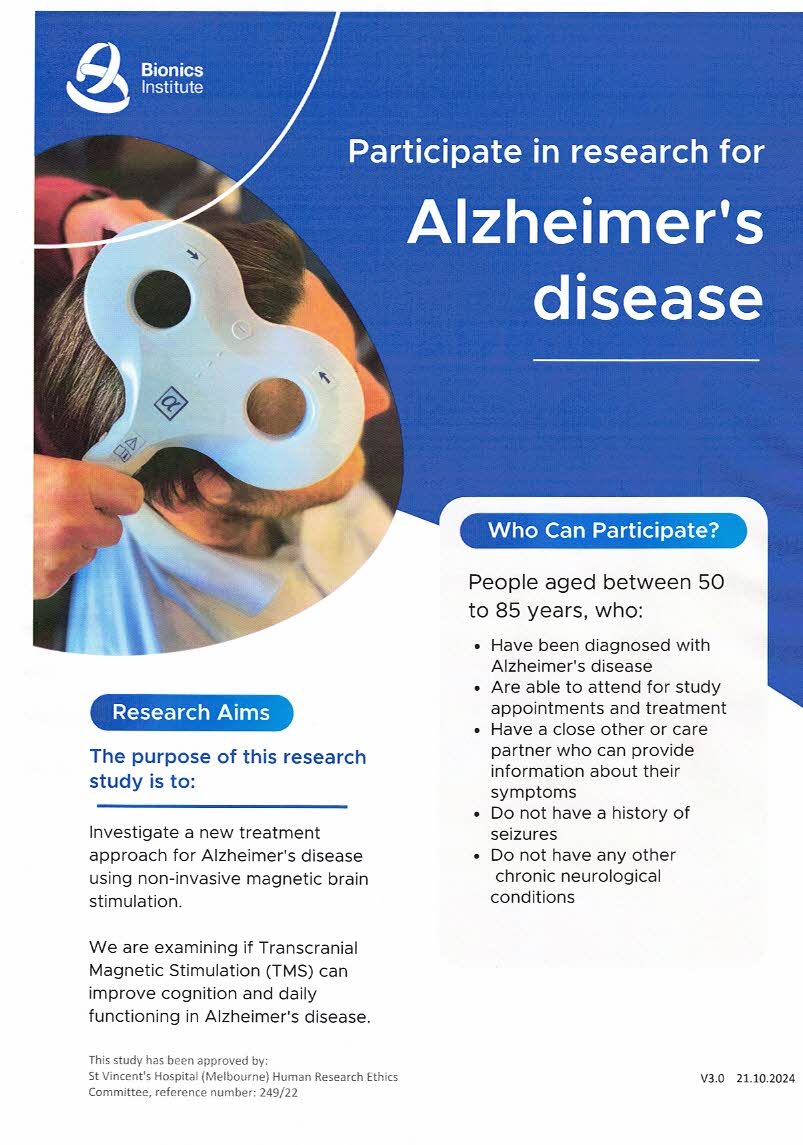
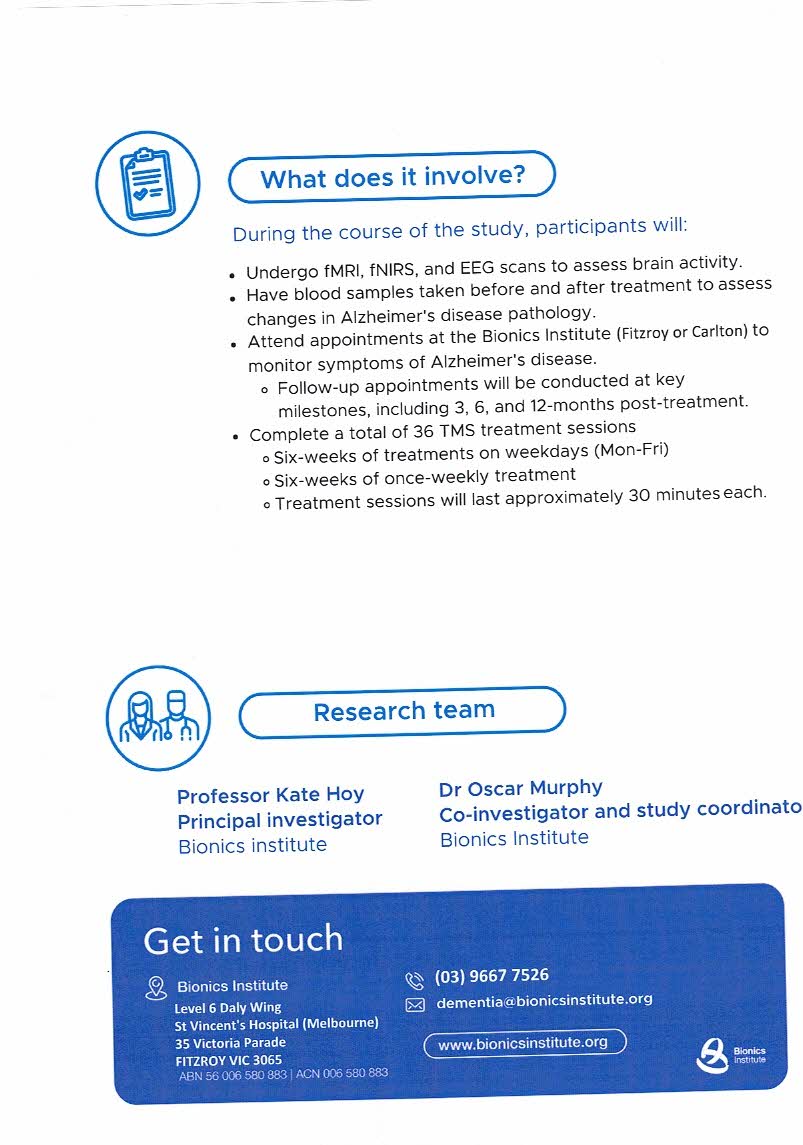
Participants wanted for world first trial for Alzheimer’s disease
The Bionics Institute are recruiting participants to join our clinical trial to investigate examining whether a non-invasive form of brain stimulation, Theta Burst Stimulation(TBS), can improve the cognitive symptoms of mild to moderate Alzheimer’s disease such as memory and thinking difficulties.
Participation criteria can be found in the supporting documents attached. If you or someone close to you meets the eligibility criteria and would like to find out more, you can contact our team via email at dementia@bionicsinstitute.org
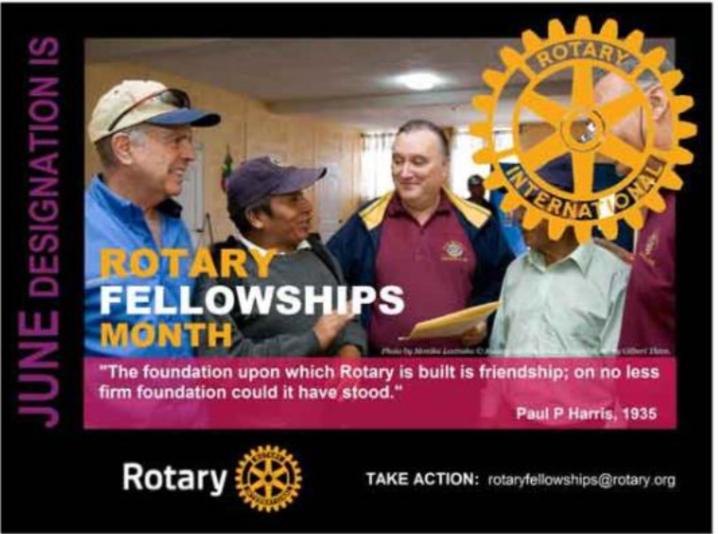
June is designated Rotary Fellowships Month to recognize the importance of international fellowship and goodwill among Rotarians with similar recreational and vocational interests, promote increased participation in fellowships, and increase understanding of this program.
“Fellowship is wonderful; it illuminates life’s pathway, spreads good cheer, and is worth high price.” Rotary Founder, Paul Harris

.jpg)